Get A Quote
Explore More Product
- Non-Contact Measurement: Uses pulse radar technology to measure water level from above, eliminating sensor fouling from algae, ice, or debris.
- High Accuracy: Provides reliable data, often with high accuracy (e.g., ±2mm for RLS 500) and minimal drift over time, even with temperature changes.
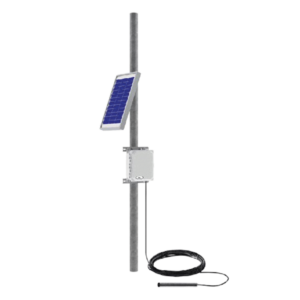
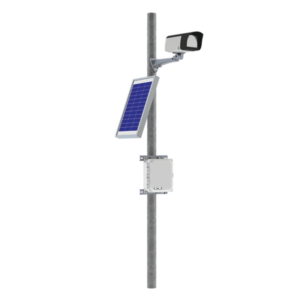
- Low Power & Remote Ready: Extremely low power consumption makes it perfect for solar-powered, remote, or off-grid locations.
- Easy Installation & Integration: Compact design allows mounting on bridges, brackets, or housing; standard SDI-12 and 4-20mA outputs connect to most data loggers.
- Low Maintenance: Flat antenna design prevents insect nesting and reduces need for servicing; no stilling wells needed.
- Wave Compensation: Advanced measurement cycles average out wave action and rapid surface movements for stable readings.
- Diagnostic Data: Provides signal-to-noise ratio and measurement counts for quality assurance (QA/QC).
- Robust & Versatile: Weatherproof housing handles harsh outdoor conditions (e.g., flooding, urban sites).
- Surface Water Monitoring: It is ideal for monitoring water levels in natural bodies of water like rivers, streams, lakes, and reservoirs.
- Flood Warning and Management: The sensor is a key component in flood monitoring systems, providing accurate, real-time data that is unaffected by high flow, floating debris, or contaminated water during flood events.
- Remote or Solar-Powered Sites: Due to its extremely low power consumption and wide power supply range, the RLS is an excellent choice for remote installations or sites without a main power supply, often running on solar power.
- Harsh Environmental Conditions: The non-contact measurement principle and durable, waterproof housing (IP67 rated) allow it to operate reliably in conditions that include temperature variations, high humidity, wind, or even potential submersion for a short period.
- Tide and Coastal Monitoring: The sensor is used for monitoring tide levels and sea levels, as its non-contact nature eliminates corrosion or fouling issues associated with saltwater.
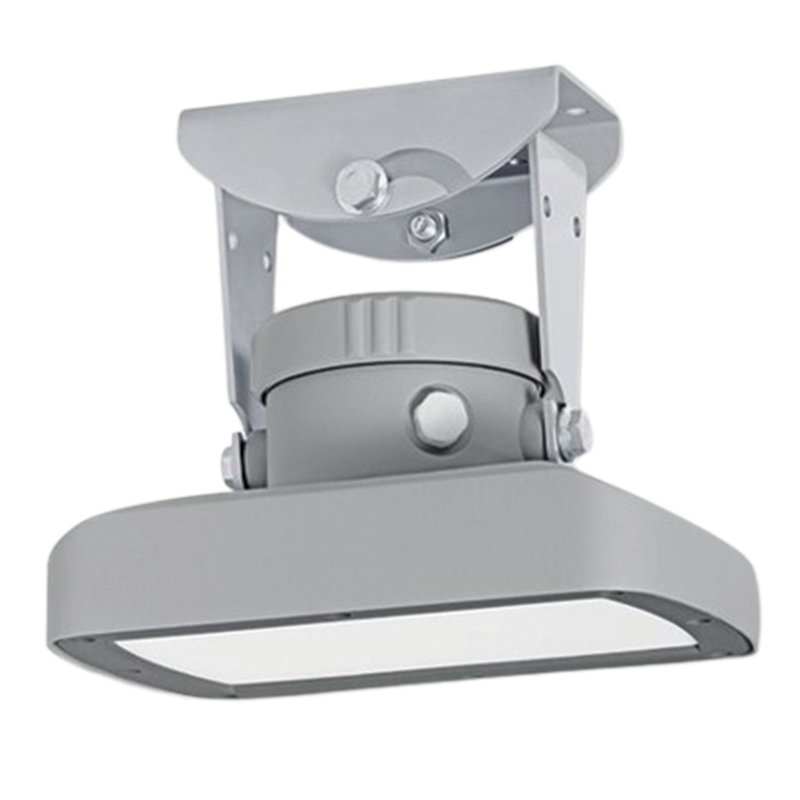
- Urban Installations: The compact, low-profile design of the sensor makes it less obtrusive and ideal for urban environments or sites prone to vandalism
- Sensor Technology: Pulse Radar (24 GHz)
- Measuring Range: 0.8 – 35 m (1.3 – 115 ft)
- Accuracy (SDI-12): ±3 mm (2-30m)
- Accuracy (4-20mA): ±0.1% Full Scale
- Interfaces: SDI-12, RS-485 (via SDI-12), 4-20 mA
- Beam Angle: 12° (width)
- Power Supply: 9.6 – 28 V DC (Typical 12/24V DC)
- Power Consumption: <140 mW (active) / <1 mW (rest)
- Housing Material: ASA (UV-stabilized)
- Protection Class: IP67
- Operating Temp: -40°C to +60°C (-40°F to +140°F)
- Weight: Approx. 2.1 kg (4.6 lbs)
- Non-Contact Measurement: Uses pulse radar technology to measure water level from above, eliminating sensor fouling from algae, ice, or debris.
- High Accuracy: Provides reliable data, often with high accuracy (e.g., ±2mm for RLS 500) and minimal drift over time, even with temperature changes.
- Low Power & Remote Ready: Extremely low power consumption makes it perfect for solar-powered, remote, or off-grid locations.
- Easy Installation & Integration: Compact design allows mounting on bridges, brackets, or housing; standard SDI-12 and 4-20mA outputs connect to most data loggers.
- Low Maintenance: Flat antenna design prevents insect nesting and reduces need for servicing; no stilling wells needed.
- Wave Compensation: Advanced measurement cycles average out wave action and rapid surface movements for stable readings.
- Diagnostic Data: Provides signal-to-noise ratio and measurement counts for quality assurance (QA/QC).
- Robust & Versatile: Weatherproof housing handles harsh outdoor conditions (e.g., flooding, urban sites).
- Surface Water Monitoring: It is ideal for monitoring water levels in natural bodies of water like rivers, streams, lakes, and reservoirs.
- Flood Warning and Management: The sensor is a key component in flood monitoring systems, providing accurate, real-time data that is unaffected by high flow, floating debris, or contaminated water during flood events.
- Remote or Solar-Powered Sites: Due to its extremely low power consumption and wide power supply range, the RLS is an excellent choice for remote installations or sites without a main power supply, often running on solar power.
- Harsh Environmental Conditions: The non-contact measurement principle and durable, waterproof housing (IP67 rated) allow it to operate reliably in conditions that include temperature variations, high humidity, wind, or even potential submersion for a short period.
- Tide and Coastal Monitoring: The sensor is used for monitoring tide levels and sea levels, as its non-contact nature eliminates corrosion or fouling issues associated with saltwater.
- Urban Installations: The compact, low-profile design of the sensor makes it less obtrusive and ideal for urban environments or sites prone to vandalism
- Sensor Technology: Pulse Radar (24 GHz)
- Measuring Range: 0.8 – 35 m (1.3 – 115 ft)
- Accuracy (SDI-12): ±3 mm (2-30m)
- Accuracy (4-20mA): ±0.1% Full Scale
- Interfaces: SDI-12, RS-485 (via SDI-12), 4-20 mA
- Beam Angle: 12° (width)
- Power Supply: 9.6 – 28 V DC (Typical 12/24V DC)
- Power Consumption: <140 mW (active) / <1 mW (rest)
- Housing Material: ASA (UV-stabilized)
- Protection Class: IP67
- Operating Temp: -40°C to +60°C (-40°F to +140°F)
- Weight: Approx. 2.1 kg (4.6 lbs)