
A Programmable Logic Controller (PLC) is an industrial digital computer used to automate and control manufacturing, electrical, and process systems with precision and reliability. The PLC full form stands for Programmable Logic Controller, and its working principle involves a continuous scan cycle — reading inputs, executing programmed logic, and updating outputs in milliseconds. A PLC system includes input/output modules, a CPU, power supply, and communication interfaces, making it central to industrial automation, machine control, and process optimization. It replaces manual relay logic with intelligent, real-time decision-making.PLCs are widely used in industrial automation, HVAC, smart factories, water treatment, energy systems, and manufacturing plants due to their scalability, durability, and deterministic performance. Modern PLCs integrate with SCADA, HMI, IIoT, and cloud systems, enabling predictive maintenance and remote monitoring. Major brands like Siemens, Allen-Bradley, Omron, and Schneider Electric offer advanced PLC platforms supporting IEC 61131-3 programming languages such as Ladder Logic (LD), Function Block Diagram (FBD), and Structured Text (ST).At AAXIS NANO, we provide complete PLC automation solutions — from design, programming, and electrical control panel integration to commissioning, SCADA connectivity, and lifecycle support. Our expertise ensures smart, reliable, and future-ready control systems that drive efficiency, safety, and productivity across industries.
Primary focus: PLC • Related: PLC full form, PLC working principle, PLC control system, PLC programming, Siemens PLC, PLC electrical systems, PLC software, PLC panel design, PLC integration, PLC applications.
What is PLC? Understanding the PLC Full Form
The full form of PLC is Programmable Logic Controller. A PLC is an industrial digital computer engineered for reliable real-time automation and process control—controlling machines, assembly lines, robotics, utilities and electrical systems. A PLC control system continuously reads inputs, executes logic, and drives outputs to automate tasks safely and precisely.
PLCPLC full formProgrammable Logic ControllerWhy PLC (Programmable Logic Controller) Matters for Industrial Automation & Industry 4.0
In modern industrial automation and Industry 4.0, the PLC is the automation backbone. It replaces fragile relay logic with deterministic, networked, and scalable control—enabling smart factory operations, predictive maintenance, high OEE and seamless integration with HMI/SCADA, MES and analytics. Understanding what PLC is and how PLC systems integrate across electrical, mechanical and software layers is key to transforming production.
Keywords: industrial automation PLC, PLC control system, smart factory PLC, PLC SCADA HMI, Industry 4.0 PLC.
Basic Concept of PLC (Industrial Automation Control)
A PLC monitors field signals, processes them via a user program, and actuates outputs with deterministic timing. This ensures reliable, safe, and maintainable automation.
Core Elements of a PLC
- Input Modules (DI/AI): Sensors, switches, meters
- CPU/Processor: Executes control logic & diagnostics
- Memory: Stores user program, tags, recipes, logs
- Output Modules (DO/AO): Relays, motors, valves, alarms
- Power Supply: Typically 24VDC or 230VAC
- High reliability in harsh environments
- Real-time deterministic control
- Easier maintenance vs. custom code on PCs
- Diagnostic LEDs, fault logs, safe states
PLC Architecture & Components (PLC I/O Modules, Communication, Racks)
PLC systems are modular and scalable for future expansion:
- Chassis / Rack / Compact PLC: Houses CPU, PSU, I/O
- I/O Modules: Digital/analog inputs & outputs, specialty modules
- Communication Modules: PROFINET, EtherNet/IP, Modbus TCP, CAN
- Backplane & Redundancy: High availability for critical plants
- Engineering Software: Programming, simulation, commissioning
Keywords: PLC architecture, PLC I/O modules, PLC communication protocols, PLC expansion.
How Does a PLC Work? — PLC Working Principle (Scan Cycle)
- Scan Inputs: Read sensor/device status
- Execute Logic: Run program (LD, FBD, ST, SFC)
- Update Outputs: Drive actuators/machines
- Repeat: Millisecond loop for real-time control
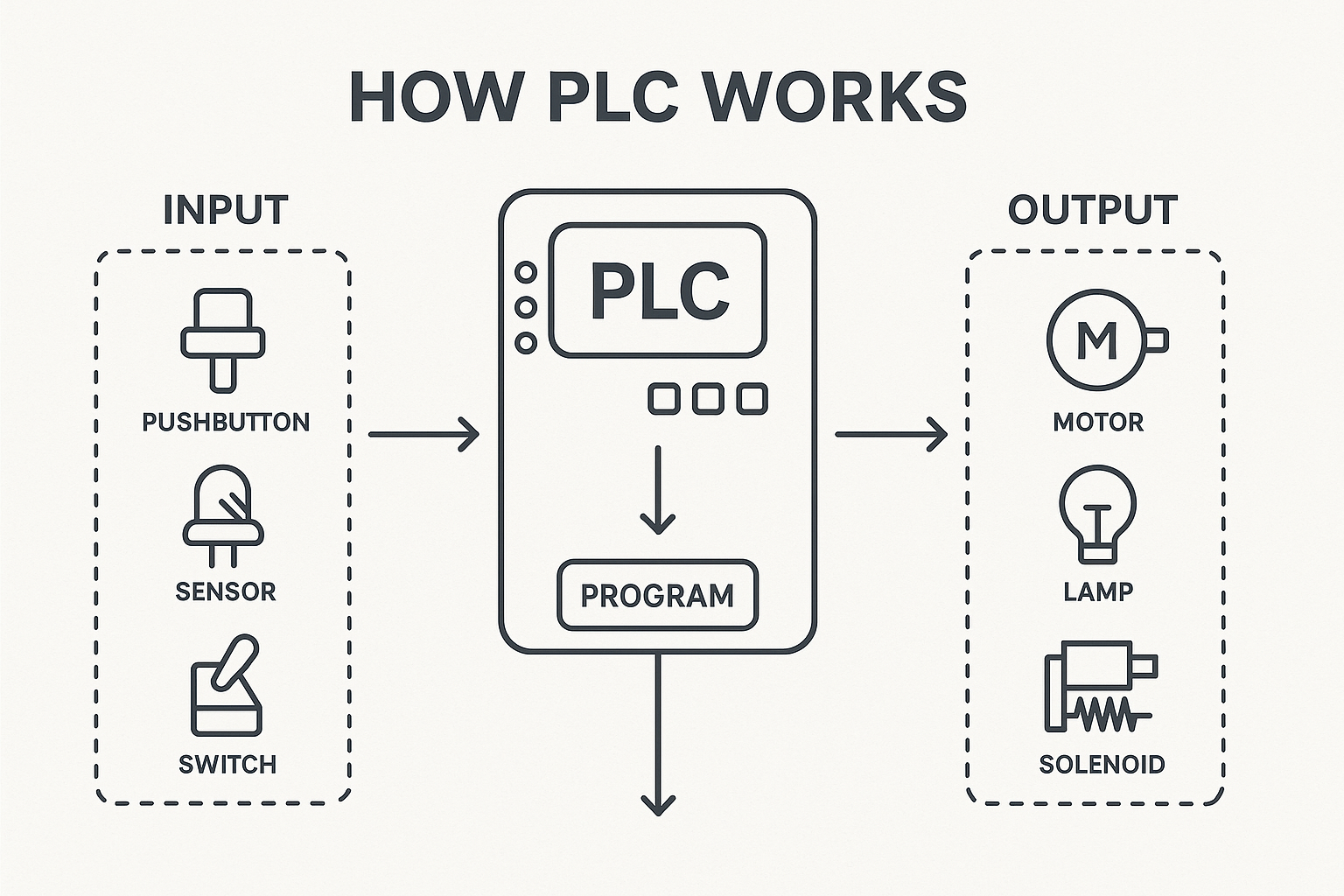
Keywords: PLC working principle, PLC scan cycle, deterministic PLC, real-time PLC.
PLC Electrical Systems & Industrial Applications (Panels, Drives, Interlocks)
PLC electrical integrates PLCs with panels, MCCs, VFDs/servos, relays, interlocks, safety circuits and networked field devices—replacing manual relay logic with intelligent digital control.
What’s Included in PLC Electrical Integration
- Control panel design, wiring & device sizing
- VFD/servo control, motor starters, interlocks
- HMI/SCADA integration & field commissioning
- Documentation, schematics & safety compliance
Where PLC Electrical Systems Are Used
- Industrial process automation & manufacturing
- HVAC/BMS, energy monitoring, utilities
- Water & wastewater treatment (RTU/remote sites)
- Smart factory (Industry 4.0), IIoT dashboards
- Power distribution, substation automation
Keywords: PLC electrical systems, PLC panel design, PLC drive integration, PLC control panel.
PLC Software (Programming, Simulation, Monitoring) & IEC 61131-3 Languages
Engineering tools enable fast development, safe testing and easier maintenance with standard IEC 61131-3 languages.
| Brand | PLC Software | Typical Use Case |
|---|---|---|
| Siemens | TIA Portal | Advanced automation, integrated HMI/SCADA |
| Allen-Bradley | Studio 5000 / RSLogix 5000 | Manufacturing, motion control |
| Omron | CX-Programmer | Factory automation projects |
| Schneider | EcoStruxure Machine Expert | Energy, machine control |
Key Functions of PLC Software
- Ladder logic editor & libraries
- Simulation/sandbox testing
- Online monitoring & diagnostics
- Project upload/download, version control
Keywords: PLC software, IEC 61131-3, Ladder Logic, FBD, Structured Text, PLC simulator.
PLC Programming: LD, FBD, ST, SFC — Best Practices for Reliable Control
- Ladder Logic (LD): Most common; intuitive for electricians/maintenance
- Function Block Diagram (FBD): Modular blocks for motion/logic
- Structured Text (ST): High-level syntax for math/state machines
- Sequential Function Chart (SFC): Step-sequence orchestration
Robust PLC programming delivers safe states, clean interlocks, diagnostics and maintainability across the plant life cycle.
Keywords: PLC programming services, ladder logic examples, PLC best practices, PLC safety interlocks.
PLC Communication, Networking, SCADA & IIoT (EtherNet/IP, PROFINET, Modbus)
Modern PLCs connect to HMI/SCADA, MES and cloud analytics via industrial protocols: EtherNet/IP, PROFINET, Modbus TCP, CAN, AS-Interface. Connectivity enables remote monitoring, alarms, historian data and predictive maintenance for Industry 4.0.
- Edge gateways & secure remote access
- Time-sensitive networking & deterministic Ethernet
- Cybersecurity hardening & user access controls
Keywords: PLC networking, PLC SCADA integration, PLC IIoT, remote PLC monitoring.
PLC Applications by Industry (Manufacturing, Water, Energy, HVAC, Logistics)
- Automotive & Assembly: Robotic welding, conveyors, torque tools
- Food & Beverage: Filling, capping, labelling, inspections
- Water & Wastewater: Pump stations, dosing, telemetry, RTUs
- Energy & Utilities: Substations, renewables, power quality
- HVAC/BMS: AHUs, chillers, lighting & energy optimisation
- Logistics: AGVs, sortation, AS/RS, material handling
Keywords: PLC applications, PLC in manufacturing, PLC in water treatment, PLC for smart factory.
Selecting the Right PLC & Vendor (Scalability, Speed, Support, Security)
- Scalability (I/O expansion, remote I/O, modular comms)
- CPU speed & deterministic response
- Vendor lifecycle support & spares availability
- Software ecosystem, libraries & ease of use
- Protocol compatibility (industrial Ethernet & fieldbus)
- Cybersecurity, diagnostics & redundancy options
Keywords: PLC vendor comparison, selecting PLC system, PLC lifecycle support.
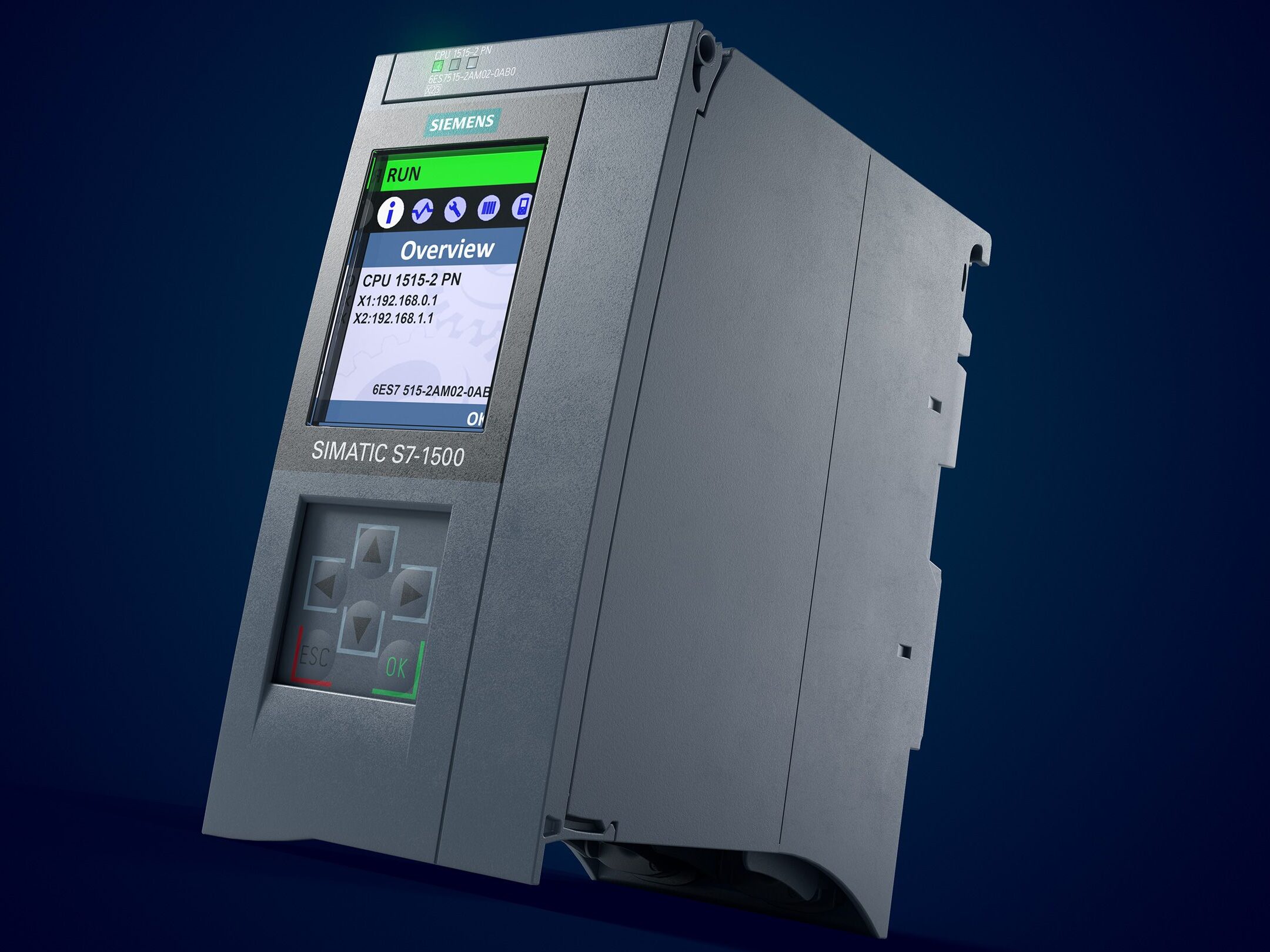
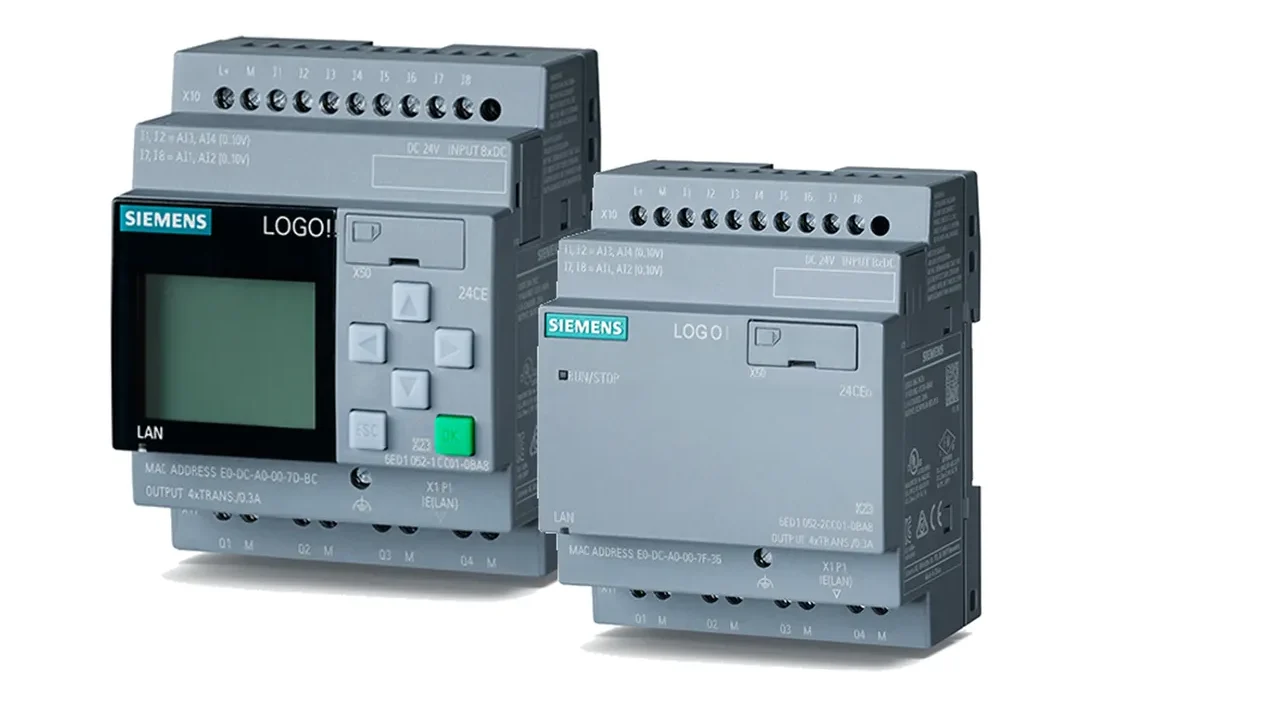
Siemens PLC (SIMATIC): S7-1200, S7-1500 & LOGO! 8 — Reliable Industrial PLC
Siemens PLC (SIMATIC) is a market leader for performance, reliability and global support. AAXIS NANO integrates, programs and maintains the popular S7-1200, S7-1500 and LOGO! 8 families.

Popular Siemens PLC Applications
- Smart factories & digital manufacturing
- Material handling, packaging, robotics
- Energy management & renewable integration
- Infrastructure & utilities
Keywords: PLC Siemens, SIMATIC S7-1200, SIMATIC S7-1500, LOGO 8, Siemens PLC integration.
Product Life Cycle (PLC) in Automation (Design, Growth, Maturity, Upgrade)
- Introduction: System design, PLC selection, proof of concept
- Growth: Capacity expansion, feature additions, data connectivity
- Maturity: OEE optimisation, predictive maintenance, uptime
- Upgrade: Platform migration, security hardening, versioning
Plan upgrades and retrofits to extend life, reduce downtime and maximise ROI.
AAXIS NANO: End-to-End PLC Automation Solutions & Services
- Consulting & System Design: Architecture, I/O lists, safety, networks
- PLC Programming Services: Siemens, Allen-Bradley, Omron, Schneider, Mitsubishi
- Electrical Control Panels: PLC panels, relay-to-PLC retrofit, drives
- HMI/SCADA & IIoT: Visualization, historian, dashboards, alarms
- Commissioning & Support: FAT/SAT, documentation, training, AMC
From “what is PLC and its working principle” to turnkey deployment, AAXIS NANO delivers measurable productivity gains with reliable PLC automation solutions.
Keywords: PLC integration services, PLC maintenance, PLC retrofit solutions, PLC AMC, industrial automation PLC.
PLC FAQs (Full Form, Working, Applications)
What is PLC in simple words?
A PLC is a robust industrial computer that automates machines by reading inputs, executing logic, and switching outputs with deterministic timing.
Which PLC language should I learn first?
Ladder Logic (LD) is most common for maintenance; ST is powerful for complex logic and math.
Where are PLCs used?
Manufacturing, process plants, HVAC/BMS, water treatment, power, logistics, smart factories and Industry 4.0.
