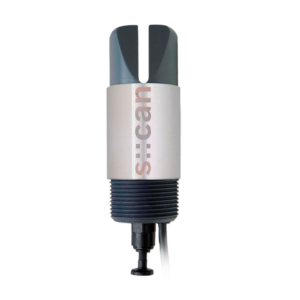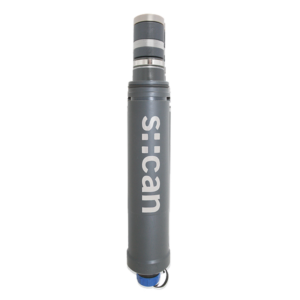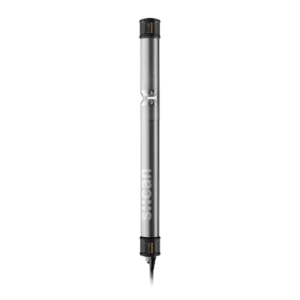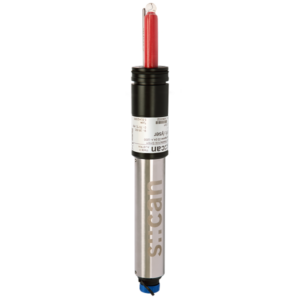
- Monitored Parameters: Chlorine Dioxide, Color, Conductivity, DOC, Free Chlorine (FCl), Hydrogen Peroxide, ORP, Peracetic Acid (PAA), pH, Total Chlorine (TCL), Temperature, TOC, Turbidity, UV, UV254.
- Flow Cell: Combined flow cell supports one i::scan plus up to three additional physical probes.
- Supported Probes: pH::lyser, redo::lyser, condu::lyser, chlori::lyser, chlodi::lyser, hyper::lyser, peroxi::lyser.
- Main Panel Material: PE (Polyethylene).
- Weight (Fully Equipped): 11 kg ± 1 kg.
- Tubing: PU (Polyurethane), 6 mm ID / 8 mm OD.
- Optional Accessories: Flow detector, pressure transmitter, inlet strainer, autobrush for i::scan.
- Controller Options: con::cube V3 or con::lyte terminals.
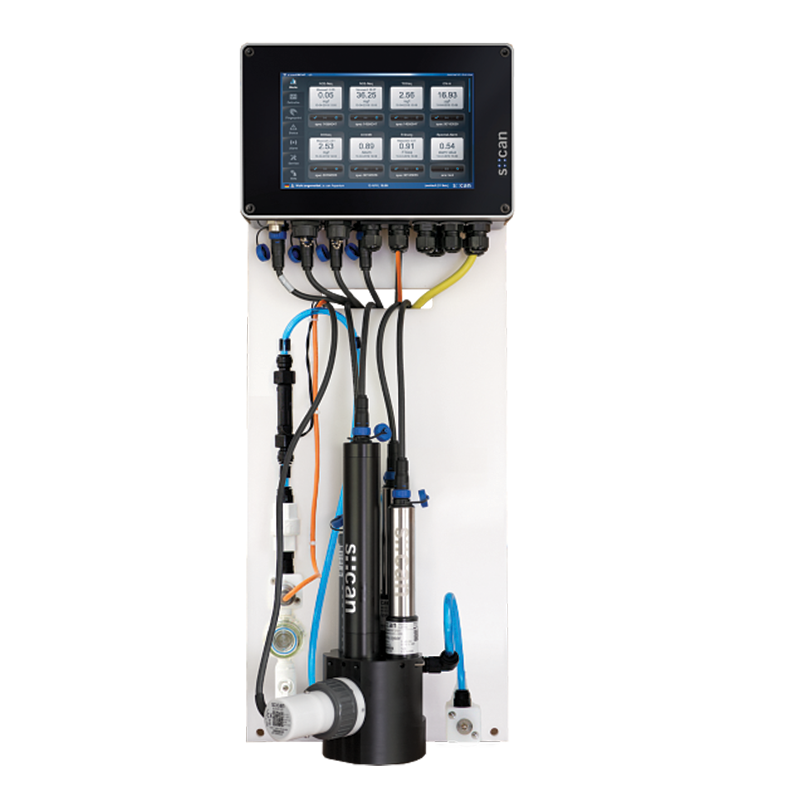
nano::station
The fully modular nano::station combines s::can instruments into a super-compact and versatile system. It presents a complete solution, as the user only has to connect the water supply and -discharge in order to receive at no extra cost a previously unheard variety of immediately available information and parameters.
The s::can nano::station offers a monitoring solution for many different applications: From very cost-sensitive applications down to highly resolved “Smart Water Grids”, in small unmanned plants, or even in single building protection.
The required components – i::scan, s::can probes, and s::can controller – are factory assembled with required flow cells, mounting fittings, and pipework on a super-compact panel.
- Compact Design: Easy to install and integrate into existing infrastructure.
- Modular & Versatile: Combines multiple sensors for wide-range parameter monitoring.
- Plug & Measure: Quick setup with immediate data availability.
- Continuous Monitoring: Real-time data for early detection and proactive water quality management.
- User-Friendly Interface: Intuitive operation for operators.
- High Accuracy & Reliability: Advanced sensors provide stable, precise data.
- Low Maintenance: Designed to minimize downtime and operational costs.
- Drinking Water: Ensures safe supply by monitoring treatment and detecting contaminants.
- Wastewater Treatment: Tracks influent/effluent quality, manages chemicals, and optimizes processes.
- Distribution Networks: Monitors pipe water quality to detect issues and maintain safety.
- Environmental Monitoring: Evaluates rivers, lakes, and other water bodies for pollution and ecosystem health.